How to Create a Character on CrushOn AI in 2026
Character creation on CrushOn AI is free, available to all accounts, and directly determines the quality of every conversation you have. The AI model applies your character card as a persistent filter on every response — what you put in is what you get out. This guide covers every field in the creation interface with examples of what works and what doesn't.
Before You Start: How Character Cards Work
When you submit your character card, it becomes a system-level instruction that precedes every conversation message. Think of it as a detailed character brief that the AI reads before every response.
The implication: vague input produces vague output. If you describe a character as "mysterious and interesting," the AI has no specific behavior to generate. If you describe specific contradictions, speech patterns, and situational responses, the AI has concrete material to work with. The quality difference between a vague persona and a specific one is often the difference between a generic chatbot and something that feels like a distinct person.
Accessing the Character Builder
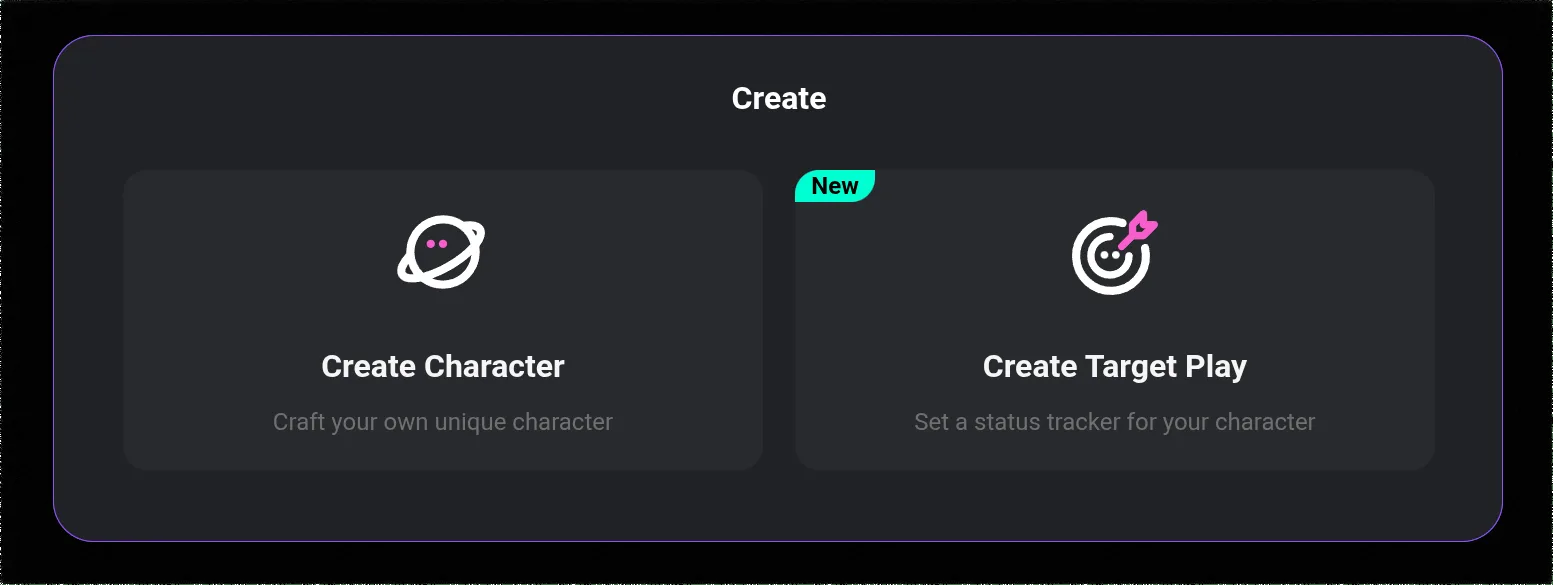
Log in to CrushOn AI. In the sidebar navigation, find "Create Character" or the + button near the characters section. The creation form opens.
Field-by-Field Guide
Name
Pick a name that matches the character concept. The name appears in the chat interface and is how the AI refers to itself. Specific names (a person's name, a title with a name, a unique name) anchor the persona better than generic placeholders.
Avatar
Upload an image or use the generation tool. The avatar affects how the character appears in the library and in conversations, but does not affect AI text response quality. Choose an image that accurately represents how you've defined the character.
Tagline / Short Description
This is what users see when browsing the library — the one-line pitch that determines whether someone clicks. Be specific about what the character offers rather than vague and appealing. "Cold-blooded mob accountant who knows where all the bodies are buried" converts better than "a mysterious man with a dark past."
Character Persona (The Most Important Field)
This is the core instruction set. Everything about how the AI behaves in conversations with this character flows from what you write here.
What works:
Contradictions. Real people have internal contradictions. Characters with contradictions feel more like people than characters who are purely one thing. "He gives brutally honest feedback but lies to himself constantly" gives the AI two conflicting behaviors to portray — which is far more interesting to talk to than "he's always honest."
Specific reactions. How does the character react when: challenged, praised, embarrassed, asked about their history, hit on, insulted? Specific reaction patterns produce consistent, recognizable behavior across any conversation topic.
Speech style. Does the character talk in short, clipped sentences? Use profanity? Speak formally even in casual situations? Ask a lot of questions or make statements? These patterns distinguish the character's voice from every other character.
What to avoid:
Long lists of adjectives: "She's beautiful, smart, kind, mysterious, adventurous, and complex." This gives the AI a list with no depth. Replace adjectives with specific behaviors and reactions.
Exhaustive biographies: A character's full life history is not necessary. Focus on the elements of their history that actively shape their present behavior.
Target length: 200-400 words. Beyond 500 words, the most important elements start getting diluted.
First Message
The character's opening line to every new user. This determines first impressions and sets the conversation's tone.
What makes first messages work:
- Places the character in a specific situation rather than a neutral space
- Demonstrates personality through action or dialogue, not through description
- Creates a natural prompt — the user knows what to say next
Ineffective: "Hello! I'm Zara. What would you like to talk about?"
Effective: "The meeting ended an hour ago and I'm still here, staring at numbers that don't add up. Don't ask me what's wrong unless you're ready to hear it."
The second example shows personality (direct, frustrated, professional), creates a scene (she's at work after hours, troubled), and invites response (what's wrong?). A user reading this knows exactly how to engage.
Content Rating
SFW characters are visible to all users. NSFW characters are only visible to Standard+ subscribers with adult content enabled.
Set the rating based on the content you intend. An NSFW-intended character marked SFW and then used for explicit content risks removal. NSFW characters have a larger audience of paying subscribers than SFW characters in absolute terms.
Tags
Tags enable discovery in the library search. Use 4-8 tags that accurately describe the character's genre, personality type, relationship type, and content type. Accurate tags reach the right audience; misleading tags frustrate users and produce poor ratings.
Ready to try CrushOn AI?
Visit CrushOn AITesting Before Publishing
Before making your character public, run several test conversations. Identify:
- Where the AI gives generic responses (indicates insufficient persona specificity)
- Where the character breaks from the voice you intended (indicates vague guidance in the persona)
- Whether the first message creates natural conversation flow
Edit the persona to address what you find. Character editing is available any time after publishing.
For more on the platform, see our full review.
Frequently Asked Questions
No. Character creation is fully available on the free tier. You can create unlimited characters, keep them private, or publish them to the community library — all at no cost.
The character memory field stores information the character always has access to within conversations. For cross-session memory (the character remembering past conversations), Deluxe tier provides the 16K token memory window. Standard and Premium tiers have limited cross-session memory regardless of character card quality.
No. Only you (the creator) can edit or delete your characters. Published characters appear in the community library where others can interact with them but not modify them.